
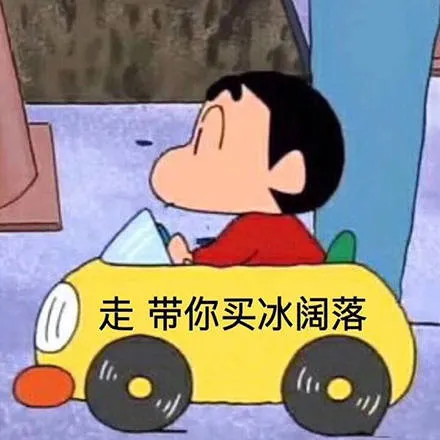
Funny WeChat Stickers: The Small Trick That Makes Chats Feel Less Awkward
If you’re from the United States and living in China — or getting ready to land here — there’s a good chance WeChat will become your everyday sidekick. It’s where people chat, make plans, send files, confirm payments, and quietly solve ten small problems before lunch. And here’s the funny part: sometimes the fastest way to sound more natural isn’t a perfect sentence. It’s a sticker.
That’s why “wechat sticker funny” is more than just a search term. It’s a real-life survival tool. A well-timed sticker can soften a message, show you’re friendly, and save you from that awkward “Did I sound too serious?” moment. For international students, new workers, and anyone trying to build a smoother social life in China, stickers are like the little grease that keeps the chat wheels turning.
Why Funny Stickers Work Better Than You’d Think
A lot of people assume stickers are just decoration. Not really. In WeChat culture, they often carry emotional tone faster than text ever could. A short reply like “Got it” can feel cold. But “Got it” plus a funny sticker? Suddenly you’re human, approachable, and not accidentally acting like a spreadsheet.
That matters especially if your Chinese is still a work in progress. You do not need to be a language wizard to use stickers well. In fact, a funny sticker can do three jobs at once:
- soften your tone when texting teachers, classmates, coworkers, or friends
- fill the gap when you don’t know the perfect Chinese phrase
- keep the conversation moving without forcing awkward silence
The key is not to overdo it. One sticker can feel charming. Ten stickers in a row can feel like your phone is having a personality crisis. Keep it light. Keep it timed well. That’s the whole game.
How U.S. Users Can Use Funny Stickers Without Looking Out of Place
Here’s the practical bit. If you’re new to China, the trick is not to hunt for the “best” sticker pack like you’re collecting trophies. The trick is to match the sticker to the moment. WeChat chats often move fast, and people appreciate a response that feels natural instead of performative.
A simple approach:
Use funny stickers for casual chats
- classmates
- friends
- group chats with a relaxed vibe
- informal follow-ups
Use smaller or milder stickers for semi-formal situations
- landlords
- club organizers
- internship teammates
- people you don’t know super well yet
Avoid anything too sarcastic or too niche
- some jokes don’t translate well
- some “funny” faces can look rude in another context
- if you’re unsure, choose a neutral cute sticker instead
Pair the sticker with one clear sentence
- “Haha, understood.”
- “No problem, I’ll be there.”
- “LOL, that one got me.”
That combo is gold. The sticker gives the vibe; the sentence gives the meaning.
The Real Benefit: Lowering Social Friction
For international students and newcomers, the hardest part of WeChat is often not the app itself. It’s the tiny social friction around it. What should I say? How do I sound polite? Am I being too blunt? Should I answer now or later? A funny sticker helps by giving you a bridge.
Think of it this way: when language is still a moving target, a sticker can be your shortcut to warmth. It doesn’t replace real communication, but it gives you breathing room. And in daily life, breathing room is not a small thing.
A few situations where funny stickers are especially useful:
- Scheduling stuff: When plans change, a light sticker can keep the tone friendly.
- Group chats: If everyone is joking around, a funny sticker helps you join without forcing a big speech.
- Student life: Late assignments, lab work, club messages, dorm chat — a quick sticker can signal you’re present and engaged.
- Everyday courtesy: After someone helps you, a cheerful sticker can feel more natural than overexplaining.
Just remember: context is king. A sticker that cracks up your roommate may not be the move for a professor. Same app, different social weather.
How to Build a Useful Sticker Habit
If you want this to actually help, don’t treat it like random sticker hoarding. Build a small system. Nothing fancy — just enough so you’re not scrolling for 40 seconds while everybody waits.
Here’s a practical setup:
- Create 3–5 go-to sticker packs
- one funny pack
- one cute/neutral pack
- one “thanks / apology / acknowledgment” pack
- one pack for group chats
- Save your most-used replies
- “OK”
- “Haha”
- “No worries”
- “On my way”
- Use stickers to support, not replace, clarity
- if the message matters, write the message first
- then add the sticker for tone
That’s the sweet spot. You stay clear, friendly, and easy to talk to. Pretty useful, honestly.
🙋 Frequently Asked Questions (FAQ)
Q1: Are funny WeChat stickers okay to use with people I don’t know well?
A1: Yes, but keep it mild. A good rule is:
- start with neutral humor or cute reactions
- avoid inside jokes unless the relationship is already warm
- if the chat is professional, use one sticker max, or skip it entirely
A safe roadmap:
- send the main message clearly
- add one light sticker if the tone is casual
- watch how the other person responds
- adjust next time based on their style
Q2: How do I find sticker packs that work for U.S. people in China?
A2: You do not need “American” stickers specifically. You need stickers that are easy to read in a Chinese chat context.
Try this:
- search within WeChat sticker stores and mini-programs
- look for simple facial expressions, laughter, thumbs-up, and thank-you reactions
- choose packs that are easy to understand without a lot of cultural context
- test them in a private chat first so you can see how they feel
If a sticker makes you laugh but also makes you hesitate, that hesitation is usually your clue.
Q3: Can stickers help if my Chinese is still basic?
A3: Absolutely. Stickers are great when your words are limited, but you still want to be friendly.
A simple strategy:
- use one short Chinese sentence
- add a sticker for tone
- keep the message direct
Example structure:
- greeting
- short clear statement
- sticker
That way you don’t need perfect grammar to sound warm and engaged.
🧩 Conclusion
If you’re a U.S. friend in China, or an international student trying to make WeChat feel less like a mystery box, funny stickers are a small move with outsized results. They help you sound lighter, friendlier, and more relaxed — which matters a lot when your daily life runs through chat windows.
The big idea is simple: don’t use stickers as decoration. Use them as social glue. A good sticker can smooth over awkwardness, especially when your Chinese is still getting stronger or when the situation needs a softer touch.
Before you head back into your chats, here’s a quick checklist:
- keep 3–5 reliable sticker packs ready
- match the sticker to the relationship
- pair stickers with clear text
- avoid overusing humor in formal chats
📣 How to Join the Group
If you want more practical WeChat tips, China 생활 hacks, and no-BS advice for everyday communication, XunYouGu is built for that kind of stuff.
On WeChat, search “xunyougu”, follow the official account, and add the assistant’s WeChat to be invited into the group. We keep it friendly, useful, and grounded — more helpful neighbor than internet noise.
📌 Disclaimer
This article is based on public information, compiled and refined with the help of an AI assistant. It does not constitute legal, investment, immigration, or study-abroad advice. Please refer to official channels for final confirmation. If any inappropriate content was generated, it’s entirely the AI’s fault 😅 — please contact me for corrections.