
Why WeChat’s Founding Still Matters When You Land in China
WeChat was founded in 2011, and that one fact helps explain a lot about daily life in China. It did not remain “just another chat app” for very long. Over the years, it became a familiar digital front door for conversations, group notices, restaurant recommendations, apartment leads, campus updates, deliveries, social plans, and little bits of everyday coordination that would otherwise take ten separate apps.
For an American arriving in Beijing, Shanghai, Guangzhou, Chengdu, Hangzhou, or a university town for the first time, this can feel mildly absurd. Back home, you might text through iMessage, plan through WhatsApp, pay through another app, follow school announcements by email, and hunt for local recommendations on Reddit or Facebook groups. In China, somebody may simply say, “Add me on WeChat,” and that is the whole operating system for the next conversation.
That does not mean WeChat magically solves every problem. It does mean that not using it can leave you standing outside the group chat while everyone else has already agreed on a meeting point, split a dinner bill, and found a better apartment listing. No drama, no conspiracy—just logistics. And logistics matter when you are new in town.
The story of WeChat’s founding matters because it explains the platform’s DNA: communication first, then layers of useful services built around communication. If you are coming to China for school, work, family, or a longer stay, the useful question is not merely “Who founded WeChat?” It is: How do I use this tool without getting overwhelmed, scammed, or buried under 147 unread group messages?
That is the real playbook.
From Messaging App to Everyday Toolkit
WeChat began as a messaging product, but its practical role has expanded as people’s habits expanded. Today, a single WeChat account can be the bridge between a student and a class group, a newcomer and a housing contact, a job seeker and an industry connection, or a traveler and a local friend who knows which neighborhood actually has good noodles after 10 p.m.
The platform keeps evolving in ways that show where digital communication is heading. On August 27, 2026, TechNode reported that Tencent’s WeChat Vision team had open-sourced WeMM-Embedding, a group of multimodal models designed to match text, images, video, and other content formats. The report said the technology was already used across WeChat Channels, Official Accounts, Moments, and e-commerce services [TechNode, August 27, 2026].
That may sound like fairly nerdy AI plumbing—and, fair enough, it is—but the human takeaway is simple. WeChat is increasingly built around more than typed messages. People search, browse, watch, share photos, follow creators, and discover useful information through different formats. For an English-speaking newcomer, that makes visual posts, screenshots, short videos, and image-based guides more valuable than ever. A screenshot of a location, a photo of a storefront, or a translated menu can carry a conversation surprisingly far when your Chinese is still in the “I know how to order coffee, mostly” stage.
The Everyday Uses That Actually Make a Difference
Here is where WeChat becomes useful in a normal week—not in a glossy brochure, but in the real, slightly messy version of life:
- University life: Classmates may share schedule changes, club events, assignment reminders, and study notes in group chats.
- Workplace coordination: Teams often use group chats for quick updates, document sharing, meeting arrangements, and informal check-ins.
- Housing and neighborhoods: Friends and community groups can help you compare areas, find moving help, or understand what is near a prospective apartment.
- Social life: Dinner plans, hiking groups, language exchanges, pickup sports, parenting circles, and hobby communities often begin with a QR code.
- Information sharing: Official Accounts, group messages, Channels, and Moments can surface local tips that never make it into English-language search results.
- Keeping receipts and details together: Chat histories, saved messages, and shared images can make it easier to retrieve an address, a booking detail, or a contact name later.
The catch? A WeChat group is not a guaranteed source of truth. It is a social space, not a legal database. People forward rumors, old screenshots, incomplete translations, and “my friend said” advice all the time. That happens in every country, of course. The only difference is that when you are new to China, you may not have the language confidence to spot the shaky stuff immediately.
So use WeChat for connection and leads—but verify anything important through the relevant organization’s own app, website, help desk, or written notice. For housing contracts, school registration, employment paperwork, health matters, banking, and travel documents, do not let a random group-chat screenshot be the final word. That way lies headache country.
A Small Feature Can Reveal a Bigger Culture
One recent example shows how quickly people adapt ordinary WeChat tools for unexpected purposes. On August 28, 2026, SMZDM reported that a feature allowing multiple photos to be sent as a folded, swipeable display had become popular as a free way for users to share outfit ideas online. The feature was originally intended to reduce the visual clutter created by sending many photos one after another [SMZDM, August 28, 2026].
That is very WeChat: a basic feature becomes useful because users invent a new habit around it. For international students and Americans living in China, the lesson is not “become a fashion influencer.” Unless that is your thing—then hey, go for it. The lesson is that small communication habits can make your life easier.
Instead of dropping 20 images into a group chat and making everyone scroll through a photo avalanche, you can organize your message more thoughtfully:
- Put the key information in the first image or first line.
- Group related photos together, such as apartment options, event flyers, or product comparisons.
- Add one short sentence explaining what you need from people.
- Ask a clear question: “Which option is closest to Line 10?” or “Does anyone know whether this café has English menus?”
- Thank people who help. Communities remember that stuff.
It is not rocket science. But clear, considerate communication is one of the fastest ways to become a welcome participant rather than the person who keeps asking questions already answered three screens up.
Learn the Social Rules Before You Need Them
WeChat etiquette is often more practical than formal. You do not need perfect Chinese to be polite, but you do need a little awareness.
A few streetwise rules of thumb:
- Do not cold-add strangers without context. If someone gives you a QR code, send a short note saying where you met or which group referred you.
- Ask before adding someone to a group. This is especially important for professional, alumni, neighborhood, and parent groups.
- Keep the first message short. A friendly “Hi, I’m Alex from the international student group—thanks for connecting” works better than a seven-paragraph autobiography.
- Avoid reposting private screenshots. What feels casual can create awkwardness very quickly.
- Do not flood groups with ads or links. If you are promoting an event, side project, or sale, check the group rules first.
- Use translation tools carefully. They are helpful, but names, addresses, dates, and contract language deserve a second look.
WeChat often works on relationship currency. Be useful, be direct, do not waste people’s time, and do not act like a QR code is a friendship contract. You will be fine.
Privacy and Account Security: Boring Until It Isn’t
Because WeChat can hold so much of your social and practical life, account security deserves a bit more attention than “I’ll deal with it later.” Later is usually when a phone gets lost, an unfamiliar login appears, or someone sends a suspicious message that looks almost believable.
The broader digital-security environment is getting tougher. An August 28, 2026 report from ITHome described a joint call by 116 companies and organizations for stronger cybersecurity preparation as AI tools make online attacks more capable and convincing [ITHome, August 28, 2026]. The report was not specifically about WeChat, but the point applies squarely to any app tied to your contacts, messages, and everyday identity.
A scam does not need to be wildly sophisticated. It only needs to catch you when you are tired, rushed, jet-lagged, or trying to sort out a dozen things at once.
Your WeChat Safety Baseline
Set this up early, ideally before you really need it:
- Use a strong, unique password for any account connected to your WeChat recovery process.
- Keep your phone number and recovery details current inside the app where available.
- Enable device and login protections offered in WeChat’s security settings.
- Never share verification codes, passwords, or recovery information with anyone in a chat.
- Treat urgent money requests—even from a familiar profile—with caution. Verify through a separate call or known contact method.
- Update WeChat and your phone operating system regularly.
- Save key contacts somewhere outside WeChat in case you lose account access.
- Be wary of QR codes posted in random public places or sent by unknown accounts.
For Americans in China, one extra practical move helps: keep a small offline note with essential information such as your university international office contact, employer contact, building address, emergency contact, and a backup method for reaching close friends. Your phone is fantastic right up until it is sitting in the back of a taxi. Plan for the boring failure mode; you will sleep better.
Build a WeChat Setup That Works for You
A clean account setup saves time and reduces stress. You do not need to join every group in sight. In fact, please do not. That is how you end up with muted chats you never read and miss the one useful message you actually needed.
Think in layers.
Layer One: Essential Contacts
Start with people and groups connected to your immediate needs:
- Your university program or class contacts
- Your employer or workplace coordinator
- Your landlord, property manager, or reliable housing contact
- A few trusted local friends
- Your family or close contacts back home
- A community group relevant to your city or campus
Layer Two: Useful Communities
After your first couple of weeks, add groups that match how you really live:
- Language exchange groups
- Sports or fitness groups
- Professional communities
- Study groups
- Parents’ groups
- Local food, arts, hiking, or weekend-event communities
- City-based international communities
The best group is rarely the largest one. A smaller group with real moderation and people who answer practical questions can be gold. A huge group full of spam, vague ads, and people shouting “DM me” at 2 a.m.? Maybe less gold, more digital junk drawer.
Layer Three: Information You Can Trust
Follow only a manageable number of Official Accounts and use saved messages or chat favorites for information you will revisit. For important notices, check the original sender and the date. An announcement from last semester can travel around a group like it just broke five minutes ago. Context matters.
If you are unsure whether a message is current, do this:
- Check the date and sender.
- Look for the original notice rather than a cropped screenshot.
- Ask the relevant school, employer, service provider, or venue directly.
- Do not forward it until you know what it says and whether it still applies.
That is not being paranoid. That is just keeping your digital house in order.
🙋 Frequently Asked Questions
Q1: I am moving to China soon. What should I set up on WeChat first?
A1: Start with a simple, no-fuss setup before adding lots of people. Your first-week roadmap can look like this:
- Download WeChat from your phone’s official app store.
- Register using your own active mobile number and keep access to that number where possible.
- Add a clear profile photo and a recognizable name. Your real first name plus a simple identifier, such as “Chris Boston,” can help new contacts place you.
- Add only trusted initial contacts: your school coordinator, employer contact, housing contact, or friends who invited you.
- Open the app’s built-in security and account-help settings and review available recovery options.
- Save important chats and addresses outside the app as a backup.
If your registration, verification, or account recovery issue is technical, use WeChat’s in-app Help Center or official support pathway rather than paying a stranger online to “fix” the account. That shortcut can get expensive fast.
Q2: How can I join useful WeChat groups without walking into spam or scams?
A2: Use a referral-first approach. It is slower than joining random QR-code groups, but it is usually much safer and more useful.
Try this checklist:
- Ask a classmate, coworker, residence contact, or trusted friend for one or two active local groups.
- Before joining, ask what the group is for: housing, school life, jobs, language exchange, sports, or social events.
- Read the pinned notices and chat history before posting.
- Avoid groups that immediately pressure members to send money, invest, recruit others, or share identity documents.
- Never assume an admin account is legitimate merely because it has an official-sounding name.
- If a deal looks wildly better than every other deal, pause. The old rule still works: if it sounds too good to be true, it probably has a catch.
For time-sensitive campus or workplace updates, confirm messages through your school’s or employer’s own notice channels. A group chat can point you in the right direction; it should not replace written confirmation.
Q3: My Chinese is limited. Can I still use WeChat effectively?
A3: Absolutely. Plenty of newcomers begin with limited Chinese and build confidence gradually. The trick is to use the platform as a learning aid, not as a reason to avoid learning altogether.
A practical language routine:
- Keep messages short and specific.
- Use simple English when the group welcomes it, and pair it with polite, basic Chinese where you can.
- Send screenshots or map pins when discussing locations.
- Ask one clear question at a time.
- Use translation tools for drafts, then double-check names, amounts, dates, and addresses.
- Learn a small set of high-value phrases for thanks, apologies, introductions, timing, locations, and confirmation.
For example, instead of writing a long paragraph about being lost, send your location and ask, “Hi, I’m near this entrance. Is this the correct building?” Clear beats fancy every time.
Q4: What should I do if someone messages me asking for money or a verification code?
A4: Stop and verify before doing anything. Do not let urgency push you into a bad decision.
Use this response plan:
- Do not send money, verification codes, passwords, passport details, or bank information.
- Take a screenshot for your own records.
- Contact the person through a separate known method, such as a saved phone number or in-person conversation.
- Report or block the suspicious account through WeChat’s in-app reporting tools if appropriate.
- Change relevant passwords and review account security settings if you clicked a suspicious link or shared any information.
- If money or identity details may be involved, contact the relevant payment provider, school support office, employer contact, or financial institution through its official customer-service channel.
A calm five-minute check is cheaper than an all-night panic session. No contest.
🧩 Conclusion
WeChat’s 2011 founding matters because the app grew alongside the daily habits of people living, studying, and working in China. For Americans and international students, it can be a powerful bridge into local life—but it works best when you treat it as a practical tool, not a magic key.
Keep this short checklist handy:
- Set up your account and recovery options before you need them.
- Join a few trusted, relevant groups instead of every group available.
- Communicate clearly with short messages, useful images, and specific questions.
- Verify important information through the original organization or service provider.
- Protect your account like it contains your real-life address book—because, well, it pretty much does.
Get the basics right, and WeChat can make China feel a lot less enormous. One good contact, one useful group, one clearly explained message at a time.
📣 How to Join the Group
XunYouGu is built for people who want fewer awkward dead ends and more useful connections in China. Whether you are an American student trying to understand campus life, a professional settling into a new city, or someone planning the move from afar, a good WeChat group can save you time and help you find your footing.
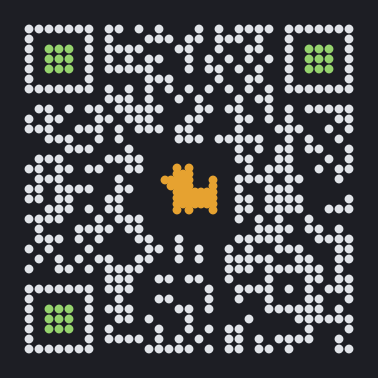
To join, open WeChat and search for “xunyougu.” Follow the official account, then add the assistant’s WeChat account to request an invitation into a suitable group. Be honest about your city, interests, and what kind of help you need. That makes it easier to find the right crowd—and avoids tossing you into a random chat where nobody is discussing anything useful.
📚 Further Reading
🔸 WeChat team open-sources WeMM-Embedding for multimodal search and recommendation
🗞️ Source: TechNode – 📅 August 27, 2026
🔗 Read Full Article
🔸 WeChat folded-photo feature becomes a popular online outfit tool
🗞️ Source: SMZDM – 📅 August 28, 2026
🔗 Read Full Article
🔸 116 organizations call for stronger cybersecurity action in the AI era
🗞️ Source: ITHome – 📅 August 28, 2026
🔗 Read Full Article
📌 Disclaimer
This article is based on public information, compiled and refined with the help of an AI assistant. It does not constitute legal, investment, immigration, or study-abroad advice. Please refer to official channels for final confirmation. If any inappropriate content was generated, it’s entirely the AI’s fault 😅 — please contact me for corrections.