Why WeChat memes matter to United States students in China
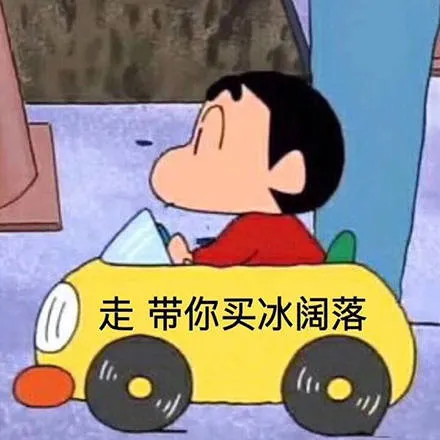
You think memes are just for laughs? Think again. For United States students living in China—or planning to come here—WeChat memes are more than digital sticker-fodder. They’re social glue, quick cultural translation, and sometimes, a low-risk way to test language, make friends, and flag local opportunities (or scams) without sounding like the obvious foreigner.
Time + place: Beijing campus cafés, Shanghai subway groups, small-city homestays — meme culture on WeChat moves faster than email and more gently than blunt text. Person: students juggling Mandarin classes, visas, part-time work, and homesickness. Event: a big WeChat group where a well-timed meme can break the ice, calm nerves before exams, or steer someone away from a dodgy job ad.
But there are wrinkles. Messaging apps are evolving fast around the world: governments and companies are pushing new domestic apps and moderation rules, while AI agents and platform changes shift what’s shareable (or sticky) online. That matters for meme-makers and meme-sharers because a joke in one context can be a content violation in another, and sometimes the safest option is to meme with street smarts, not just humour.
I’ll walk you through how WeChat memes function in China social life, the risks to watch, practical ways to use memes to your advantage, and exactly what to do the next time a meme drops into your group chat and everybody expects you to react.
How memes shape friend-making, group dynamics, and risk
Memes on WeChat are like shorthand culture. They compress context: an inside reference, a campus joke, a Cantonese pun, or a local food flex. For United States students, mastering a few meme types can do more than get laughs — they prove you’re paying attention, you can read the room, and you’re learning local norms.
- Social currency: Memes that reference local festivals, campus events, or popular shows get you mid-level acceptance with minimal language. Share a Guangdong food meme in a foodies group and you’re suddenly useful.
- Safety signaling: Groups use memes to signal reliability. A meme-format reply to a housing ad — like a “red flag” sticker plus a short tip — quickly warns others without starting drama.
- Cultural translation: Memes often explain local behaviors — subway etiquette, delivery-worker gratitude, roommate quirks — in a way a textbook can’t. They’re micro-lessons wrapped in humor.
But not all meme-play is frictionless. There are three real-world trends you need to keep an eye on:
- New domestic messaging policies and apps. For instance, Pakistan’s plan to roll out a local secure messaging app for government employees shows a global trend: countries and organizations prefer closer control over messaging platforms and data handling. That can change norms about what’s okay to share and how private chats are treated [Dawn, 2025-12-17].
- Platform-level shifts from AI and integrations. China’s internet embraced new AI agents and tooling fast; when big platforms add features like automated content summarizers or AI stickers, meme formats mutate overnight — making some jokes obsolete and creating new remix opportunities [Business Insider, 2026-02-05].
- Legal and privacy realities you should respect. Across the globe, legal limits on private messaging and content grow tighter; in the U.S., court decisions about enforcement tactics (for example, limits on warrantless arrests in some jurisdictions) show that privacy and enforcement debates are active on both sides of the Pacific — meaning personal safety and how you share sensitive stuff still matters [ABC News, 2026-02-05].
Put simply: memes are powerful, but the rules of the game can change because of policy, platform tech, or enforcement practices. You don’t need to be paranoid — just pragmatic.
Practical tips: meme smarter on WeChat (real tactics you can use)
Here’s a hands-on playbook. Each tip is short, usable, and tested on student groups across multiple campuses.
Read the room first
- Wait 10–15 minutes before replying to a group thread you just joined. See if the group leans sarcastic, formal, or supportive.
- If the chat has pinned rules or moderator notes, follow them. Many university groups do.
Keep a micro-meme kit
- Save 6–8 memes or stickers that are universally friendly: welcome, thanks, congrats, “I’ll check”, and two neutral reaction images.
- Use image names or a WeChat album for quick access. This keeps you fast and reduces awkward typos.
Localize without overstepping
- Use local holidays, food, or TV show references you’ve verified with a Chinese friend.
- If you borrow a dialect joke, credit it. Humour lands better when it’s respectful.
Use memes for practical signals
- Housing: combine a “red flag” meme + a single-line note: “No contract, meet in daylight only.”
- Job ads: a “question mark” sticker + “visa-compatible?” to prompt clarification.
- Study groups: “brag” meme + time and place — concise calls work well.
When in doubt, translate briefly
- If a meme uses a wordplay you don’t get, ask: “What’s the subtitle mean?” It’s a good convo starter and shows curiosity rather than faux-confidence.
Protect privacy
- Never forward private screenshots of someone’s ID, chat, or contract — even with a meme cover. If it’s necessary to share, redact sensitive details and get written consent.
Watch content boundaries
- Avoid memes that touch on public policy, sensitive topics, or could be interpreted as obscene or defamatory. Moderation rules and local laws can be strict or vague — play safe.
Learn the remix cycle
- Popular meme formats cycle fast. When an AI sticker or new feature appears (like OpenClaw agents or platform plugins), jump in but test it privately first. New tech means new ways jokes get amplified [Business Insider, 2026-02-05].
How memes help with practical campus life
Memes do heavy lifting in these specific campus situations:
- Orientation and admin confusion
- Use a pill meme plus checklist: “Documents needed: visa, registration slip, dorm deposit.” One image + bullet list reduces back-and-forth.
- Group projects and deadlines
- A “we got this” meme with a shared Google/Notion link keeps morale high and centralizes info.
- Job hunting / internships
- A “vet this” meme for suspicious recruiters helps crowdsource due diligence. Tag moderators and ask one-liner verification questions.
- Wellbeing signals
- Emojis and memes can be softer than “I need help.” If someone posts a low-energy meme, respond with a quick check-in and resources.
🙋 Frequently Asked Questions (FAQ)
Q1: Are memes on WeChat private? Can I forward screenshots of private chats?
A1: No, private chats are not inherently private in a legal sense — and forwarding personal screenshots without consent is risky. Steps to handle sensitive content:
- Ask for written consent before sharing screenshots.
- Redact personal data (names, IDs, phone numbers) before forwarding.
- Use the “Save to Favorites” feature for personal reference instead of mass-forwarding.
- If you must warn others about a scam, summarize facts (what happened, date, red flags) instead of reposting whole screenshots.
Q2: How can I use memes to screen housing or job posts safely?
A2: Use structured meme signals and a short verification roadmap:
- Step 1: Post a neutral “flag” meme + checklist: “ID? contract? campus reference?”
- Step 2: Ask for a contract preview and meet in daylight with a friend.
- Step 3: If listing sounds dodgy, run it in the group with moderators: include images (masked) and ask three yes/no questions: (1) Is there a formal lease? (2) Are utilities included? (3) Is the landlord known to anyone here?
- Step 4: Use WeChat Pay cautiously — prefer bank transfer with official rental receipts or agent contracts.
Q3: What if someone posts a meme that crosses a cultural or legal line? How should I respond?
A3: Use a low-conflict approach:
- Pause and assess: is it offensive, inaccurate, or potentially illegal?
- If minor: reply with a neutral corrective meme + brief explanation.
- If serious: privately message the poster asking them to remove it, and alert group admins with a clear summary and timestamps.
- If it appears to violate laws or platform rules, save evidence (screenshots to your device, not forwarded) and report via WeChat’s reporting tool: Profile > Settings > Help & Feedback > Report.
🧩 Conclusion
For United States students in China, WeChat memes are a fast lane into local life — a way to laugh, learn, and stay safe. The trick is to treat memes like tools: they can build rapport, warn friends, and translate culture — but they can also misfire if you ignore privacy, platform changes, or local norms.
Quick checklist before you post or forward a meme:
- Read the room for tone and moderation rules.
- Mask or redact any personal data before sharing.
- Use memes to communicate a clear action (verify, meet, report).
- Keep a small set of safe, localized memes at hand.
Memes won’t replace local friends or official advice, but used well they’ll make your China life smoother, more social, and a little more fun.
📣 How to Join the Group
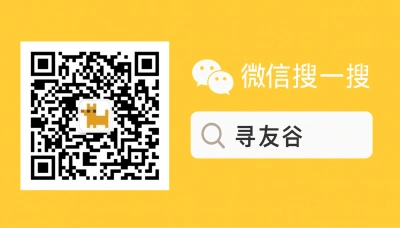
If you want a low-ego space to test memes, ask quick questions, or swap campus tips, XunYouGu’s WeChat community is practical and friendly. How to join:
- On WeChat, search for the public account: xunyougu
- Follow the official account and look for the “Groups & Guides” menu.
- Add the assistant’s WeChat ID (send a polite note saying you’re a United States student looking to join) and request an invite. We run moderated groups by city and school so the chat stays useful, not chaotic. Come say hi — we’re a helpful bunch.
📚 Further Reading
🔸 Pakistan govt employees to get locally developed secure messaging app, ‘Beep’
🗞️ Source: Dawn – 📅 17 December 2025
🔗 Read Full Article
🔸 China’s tech giants are opening their doors to OpenClaw. The Chinese internet is lapping it up.
🗞️ Source: Business Insider – 📅 05 February 2026
🔗 Read Full Article
🔸 ICE agents can’t make warrantless arrests in Oregon unless there’s a risk of escape, US judge rules
🗞️ Source: ABC News – 📅 05 February 2026
🔗 Read Full Article
📌 Disclaimer
This article is based on public information, compiled and refined with the help of an AI assistant. It does not constitute legal, investment, immigration, or study-abroad advice. Please refer to official channels for final confirmation. If any inappropriate content was generated, it’s entirely the AI’s fault 😅 — please contact me for corrections.