
Why qq id and WeChat matter for US people and students in China
Landing in China — whether it’s for a semester at Fudan, an internship in Shenzhen, or a year living in Beijing — the first reality you learn is: yes, China is big, and WeChat runs the show. If you grew up in the US, relying on email, phone numbers, or Facebook feels normal. In China, WeChat (and the older QQ system) often replace those tools for everyday life: class groups, landlord chats, campus notices, student secondhand markets, event invites, even emergency updates from school.
Two specific pain points keep showing up among American students and expats I talk with: 1) finding the right person or group quickly (classmate? housing group? health update channel?), and 2) protecting your privacy while using ID systems like QQ and WeChat. Add to that the occasional disruption — visa policy moves or campus health incidents — and you want to be connected fast, without oversharing personal data.
This guide walks through how QQ IDs and WeChat work together, simple ways to find people and groups, privacy-smart habits, and step-by-step moves for emergencies (visa freezes, campus outbreaks, sudden travel guidance). Along the way I’ll point to a few real-world news threads that show why being plugged in matters — and provide a friendly checklist so you can act fast the day something unexpected happens.
How QQ ID and WeChat fit together — practical differences and quick wins
Short version: QQ is older and still widely used for large, looser communities (like hobby groups, game clans, some university forums), while WeChat is the daily utility — chat, wallet, mini-programs, official accounts. Both use IDs, but they behave differently.
- QQ ID: numeric or custom handle, easy for public groups and older networks. Useful when you need to join legacy campus groups or find alumni who still prefer PC-based QQ.
- WeChat ID: set by the user (or auto-assigned), used for contact adds, payments, mini-program registration, and most official-account interactions. WeChat is the day-to-day hub.
Practical quick wins:
- If you’re trying to join a class group, ask the professor or class TA for the WeChat group QR or ask classmates for the WeChat IDs. If the class is big and managed on QQ, ask for the QQ group link or numeric group ID.
- Use a short, consistent WeChat ID that classmates can remember. Your display name can be your English name + school + graduation year (e.g., “Lena_MIT_24”) so people spot you quickly.
- Keep an old-school screenshot of any group QR code. If your phone dies or account hiccups, screenshots can help a friend re-add you.
Why this matters now: visa rules and travel guidance are shifting in multiple places; students need real-time group channels. For example, recent UK visa action shows how governments can pause application flows unexpectedly, and international students must monitor official updates and community channels for guidance [Manchester Evening News, 2026-03-04]. Being in the right WeChat groups helps you get heads-up messages fast — from classmates confirming cancelled flights to university reps posting deadlines.
Finding people and groups: step-by-step routes that actually work
You need a clear map. Here are practical methods ranked by speed and reliability.
- Official channels first (fast, reliable)
- University official WeChat account or student affairs WeChat. Many schools publish official accounts for emergency notifications, visa guidance, and registrar updates. Follow the account and enable notifications for important posts.
- How to find: search the university name in WeChat’s Official Accounts tab, or look on the school website where they often paste a QR code.
- Classmates and instructors (direct and secure)
- Ask your professor/TA for the WeChat group link or QR at the first class. If they use QQ for discussion, request the QQ group number.
- Save the group admin’s contact; they’re the quickest route if you need to rejoin.
- Departmental or housing resident groups (community-minded)
- Dorms and international student offices usually have WeChat groups for daily issues (hot water schedules, maintenance, roommate swap). Join early and pin the group for quick access.
- If you live with local roommates, share both QQ and WeChat IDs; older residents sometimes prefer QQ for larger interest groups.
- Public search and reunions (when you only have a name)
- Use WeChat people-search with the person’s WeChat ID, phone number, or mutual contacts.
- For QQ, if you only have an email or school ID, try QQ search or third-party campus boards — but be cautious: public searches can return many results.
- Backups and cross-posting (don’t put all your eggs in one app)
- Keep a small list (note app or paper) of key contacts: dorm admin, your embassy/consulate WhatsApp or WeChat liaison (if available), program director, and a couple of classmates.
- Cross-post important notices across WeChat groups and a private copy to your own cloud note (so you can access it if WeChat is unavailable).
Real-world context: campus health events happen — like the chickenpox probe at Thammasat’s Rangsit campus — and schools pushed online notices and group updates to students when in-person classes stopped [Nation Thailand, 2026-03-04]. If a health or travel alert hits your campus, being in the right WeChat/QQ groups can be the difference between reacting quickly and missing a vital notice.
Privacy and safety: what to do before you overshare
WeChat and QQ are convenient. They also collect a lot. Here’s a no-nonsense privacy playbook:
- Use a unique WeChat ID that doesn’t reveal your passport number or full home address.
- Limit profile photo details: avoid photos that show sensitive documents or full home addresses.
- Turn off “People Nearby” if you don’t want random adds.
- When joining public QQ groups, skim the pinned rules. If a group admin asks for sensitive personal details (passport scan, bank info), stop and verify with official channels.
- Two-step verification: enable WeChat’s account protection features. Link a recovery email or phone you control.
- Payment safety: avoid sending money to strangers in group chats. Use receipts and request transaction IDs.
If you suspect a scam:
- Leave the group, block the user, and report within the app.
- Save screenshots and reach out to campus international student services and your consulate for advice.
Why business services matter: banks and payment features evolve. For example, AEON Bank launched integrated digital payment features in partnership programs — an example of how financial services are increasingly tied to digital ecosystems in the region [Manila Times, 2026-03-04]. That’s a gentle reminder: when you tie WeChat to payments, be extra cautious about ID exposure and where you enter bank data.
Handling emergencies: visa trouble, campus closures, and quick communications
Emergencies are stressful. Here’s a practical sequence to follow — keep this saved.
If visa policy or application processes change suddenly:
- Step 1: Check official sources (university international office, home country embassy) and follow their WeChat or official accounts first.
- Step 2: Notify your program admin via WeChat and ask for step-by-step support (extensions, letters).
- Step 3: Use your class and cohort groups to ask who else is affected and coordinate next steps, like joint calls or petitions.
If campus health issues arise:
- Step 1: Follow official university WeChat posts and pin them.
- Step 2: Use dorm WeChat groups to get confirmed information on quarantine rules, testing sites, and support contacts.
- Step 3: Keep a contact list of local health facilities and your embassy’s emergency line.
If you lose access to your WeChat account:
- Step 1: Try in-app recovery; use the linked phone or email.
- Step 2: Ask mutual friends (saved list) to help re-verify with WeChat security. Keep admin contact numbers handy.
- Step 3: If you used WeChat Pay, contact your bank immediately.
These steps mirror how real-world events force communication patterns. For example, sudden visa decisions and travel advisories in the UK and other countries show how fast travel-related policies can pivot [Manchester Evening News, 2026-03-04]. Students in affected regions often rely on in-app groups to coordinate responses and share official links.
🙋 Frequently Asked Questions (FAQ)
Q1: How do I find a classmate if I only have their name?
A1: Steps to locate them safely:
- Search their name in WeChat People Search (use mutual contacts filter).
- Ask the course TA or department official WeChat account for the class roster or group QR.
- Post a short, polite message in your departmental QQ or WeChat group: name, program, year, and a note like “looking for study group—please DM.” Don’t post private data.
Q2: Can I use one WeChat account for everything (school, roommates, dating)?
A2: Best practice roadmap:
- Yes, but segment your visibility: use a neutral profile name and a safe photo.
- Maintain two small contact groups: “private — close friends/family” and “public — university/roommates/class.”
- For high-risk interactions (payments, legal documents), verify through official channels or use dedicated accounts where allowed.
Q3: My university announced classes online because of a health issue. How do I get updates and support quickly?
A3: Action list:
- Follow and pin the university’s official WeChat account for official notices.
- Join the dorm and class WeChat groups; save admins’ contacts.
- Create a small emergency chat with 4–6 classmates for coordination.
- Keep a checklist: passport copies (digital), health insurance info, consulate contact, local testing locations.
Q4: I want to join a QQ group but it asks for my student ID and phone—safe?
A4: Quick decision guide:
- Verify group admin via the department’s official account or through a trusted classmate first.
- If the request seems excessive (passport scans, bank info), refuse and ask why it’s needed.
- Prefer temporary verification like “show student card front only with name visible” rather than full scans.
🧩 Conclusion
If you’re a US student or expat heading to or already in China, treating QQ IDs and WeChat like your daily toolbox is smart — but don’t hand over your life story. Use WeChat for speed: official accounts, class groups, and dorm channels. Use QQ when you need legacy groups or broad-interest communities. And always have a privacy-first habit: innocuous profile, verified admins, and saved emergency contacts.
Quick checklist you can screenshot:
- Follow your university’s official WeChat account and pin it.
- Save WeChat/QQ group admins and at least two classmates’ contacts.
- Keep digital copies of passport, visa, and insurance in a private note and a trusted friend’s chat.
- Turn on account protection and avoid sharing sensitive scans in public groups.
📣 How to Join the Group
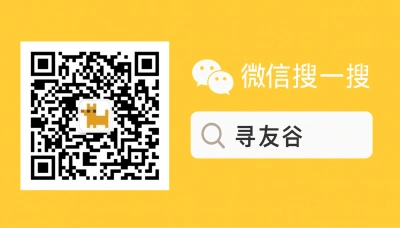
XunYouGu exists because one night in Changsha someone thought: “People need to find one another.” We run WeChat groups to help US students and expats connect fast — housing leads, study partners, local tips, and honest on-the-ground updates without the sugarcoating.
To join:
- Open WeChat and search: xunyougu (official account).
- Follow the official account, then message the assistant (Chrystal Huang is listed as a contact on our official account) and say: “Hi — I’m a US student at [school], want the group.”
- We’ll verify with a short onboarding question to keep the group useful and safe, then invite you into the proper group.
We keep the vibe friendly and practical: no spam, just people helping people.
📚 Further Reading
🔸 UK suspends visa applications from four countries in ‘unprecedented’ step
🗞️ Source: Manchester Evening News – 📅 2026-03-04
🔗 Read Full Article
🔸 DDC probes chickenpox outbreak at Thammasat Rangsit campus
🗞️ Source: Nation Thailand – 📅 2026-03-04
🔗 Read Full Article
🔸 AEON Bank Launches Seamless Zakat Payments for Ramadan Through Partnership with Tulus Digital
🗞️ Source: Manila Times – 📅 2026-03-04
🔗 Read Full Article
📌 Disclaimer
This article is based on public information, compiled and refined with the help of an AI assistant. It does not constitute legal, investment, immigration, or study-abroad advice. Please refer to official channels for final confirmation. If any inappropriate content was generated, it’s entirely the AI’s fault 😅 — please contact me for corrections.