Why recalling a WeChat message matters for US people and students in China
You’ve just moved to China, or you’re finishing a semester abroad — and like most of us, WeChat quickly becomes the Swiss Army knife of daily life: housing group chats, campus announcements, landlord messages, and casual banter with new friends. Send the wrong text, a voice note with curse words, or a private screenshot to the wrong group and you can feel that stomach-drop fast. That’s the moment you wish for a magical “undo.” The good news: WeChat offers a recall feature. The bad news: it’s not a perfect safety net — and many people misuse it or assume it works like email “undo.”
In this guide I’ll walk you through how to recall a message in WeChat step-by-step, explain what recalling actually removes (and what it doesn’t), and give practical fixes when recall fails. Think of this as the survival kit for social slip-ups in China: fast, clear, and useful whether you’re a US student navigating dorm-group drama, an expat dealing with work WeChat, or someone worried about a language-misfire.
Before we get into the mechanics: a quick reality check. WeChat recall can remove messages from chat windows, but it won’t erase screenshots someone already took, and it won’t rewind an audio or video that’s been downloaded. Also, timing matters — recall windows and behavior can change slightly across versions. That’s why I’ll include follow-up moves you can use to limit damage.
How to recall a message in WeChat — the practical step-by-step
Here’s the straight, no-nonsense process. I’ll give mobile steps (most folks use WeChat on phone) and note the differences on desktop.
Step-by-step on mobile (iOS & Android):
- Open the chat that contains the message you want to recall.
- Press and hold the specific message bubble for about 1 second until the options menu appears.
- Tap “Recall” (撤回). If you don’t see “Recall,” you may be outside the allowed time window, or your app version behaves differently.
- Confirm if prompted. The message will be replaced by a system notice in the chat saying “You recalled a message” (or similar).
Desktop (WeChat for Windows/Mac):
- Right-click the message in the chat window.
- Choose “Recall” from the menu.
- Confirm. The message should be replaced by the recall notice in both desktop and mobile views.
Important behavior details — what actually happens:
- The recalled message is removed from both sides of the conversation and replaced with a small note indicating a message was recalled.
- If the recipient had already seen or downloaded the content (screenshot, saved audio, or forwarded it), recall cannot undo that.
- Voice messages already played or files already saved remain in the recipient’s storage.
- Group chats: recall affects only messages you sent; group members still see the “recalled a message” system note.
- Timing: You must recall within the app’s allowed time window (typically a few minutes after sending; WeChat has changed this over the years, so update your app and test).
Pro tips from the street:
- Update WeChat regularly. Small changes in version can alter recall timing or UI labels.
- If it’s sensitive content, assume someone took a screenshot and act accordingly — don’t rely on recall alone.
- For voice notes, record a short correction and send it immediately if recall fails — people respect quick honesty.
Real-world context: why this matters now Students and international workers in China are using WeChat for everything — admissions, visas, job offers, house searches. Big events like university expos and visa changes mean more group chats and higher stakes for digital mistakes. For example, university outreach and events (like INICIO expos connecting students and schools) increase the number of official and unofficial groups a student might join [Source, 2026-01-06]. When travel and visa rules shift (see major visa reforms reported in the Gulf and other regions), people share documents and personal details rapidly in chats — so small mistakes can have outsized consequences [Source, 2026-01-06]. And in an era of fast policy moves and cross-border stories, any mis-sent message can spread fast beyond the original chat [Source, 2026-01-06].
So: recall is a tool, not a cure. Use it fast, then follow the damage-control playbook below.
Damage control when recall doesn’t fully work
If recall fails, or if someone already saw the message, here’s what to do—fast and calm.
Immediate actions (first 5 minutes):
- Send a short correction message: “Sorry, that wasn’t meant for this chat — ignore previous msg.” Keep it factual and brief.
- If sensitive personal data (ID, financial), tell the group what to do: “Please delete the message. If you saved it, please tell me.”
- Use private follow-ups for close contacts: message the person directly and ask them to delete any copy. Personal requests often work better than public shaming.
If screenshots or files circulated:
- Ask chat admins politely to remove forwarded messages or mute the chat for a bit if things are escalating.
- For official groups (university, employer): contact the admin or sender via direct message, explain the mistake, and request removal. Institutions typically cooperate when mistakes involve personal info or miscommunication.
- Keep a record: note timestamps and what was shared in case you need to escalate to platform support or your institution later.
Technical fixes and prevention:
- Disable auto-downloads for files and media (Settings → General → Chats → Auto-download) to reduce accidental exposure.
- Turn on a safety routine: before sending, long-press the file or attachment to preview, especially in groups.
- For sensitive conversations use private chats or specialized services recommended by your campus or employer.
Cultural note: tone matters in China People here value face (面子). A quick, sincere correction keeps drama low. Saying “sorry, my mistake — please delete” works better than humor or over-explaining in many groups.
🙋 Frequently Asked Questions (FAQ)
Q1: How long do I have to recall a message on WeChat?
A1: The recall window is short and can change across versions. To be safe:
- Try to recall within 1–2 minutes for time-sensitive content.
- Steps:
- Open the chat immediately.
- Long-press the message → tap “Recall”.
- If the option is missing, update WeChat and try desktop recall.
- If recall fails, use the damage-control steps above and contact chat admins if necessary.
Q2: Can a recalled voice message still be heard by the recipient?
A2: Yes, if the recipient already played or downloaded the voice message, recall cannot “unhear” it. Best steps:
- Immediately recall the message.
- Send a follow-up voice note or text correcting the content.
- If very sensitive, message the recipient directly requesting deletion and assurance they won’t share it.
Q3: Does recalling a message erase screenshots or forwards?
A3: No. A recall does not delete screenshots, saved files, or forwarded copies. Immediate steps:
- Ask recipients to delete screenshots and not to forward.
- If it spread, contact group admins and your institution (if relevant) for help.
- Consider reporting the situation to WeChat support with timestamps, but note that platform recovery is limited.
Q4: I sent an attachment with personal info — what’s the fastest way to protect myself?
A4: Quick checklist:
- Recall the message at once.
- Contact group admins and ask to remove the message.
- Send a direct message to all recipients asking them to delete the file.
- If financial or identity details were exposed, notify your bank/school/employer and monitor accounts.
- Keep evidence: take screenshots of who you contacted and when.
Q5: Does WeChat notify when someone recalls a message?
A5: Yes. The chat will show a short system notice (e.g., “You recalled a message”) visible to all participants. People notice this, so combine recall with a short clarifying message.
🧩 Conclusion
Recalling a message in WeChat can stop a slip-up dead in its tracks — sometimes. But it’s not a rewind button for screenshots, downloads, or forwarded content. For US students and expats living in China, where WeChat is central to daily life, the recall feature is a useful emergency tool but not a replacement for cautious sending.
Quick checklist before you hit send:
- Preview attachments and voice notes.
- Double-check recipient (group vs. private).
- Consider whether the content contains personal data.
- Update WeChat regularly.
- Know the recall steps and act within minutes if needed.
If you do make a mistake: recall quickly, apologize briefly, and follow the damage-control steps above. People value prompt, honest fixes.
📣 How to Join the Group
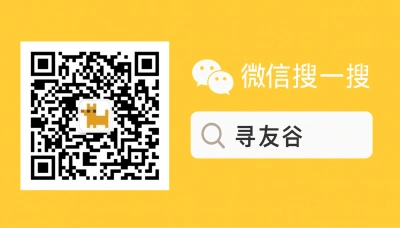
If you want a safe space to practice, ask real people, or get help with chat etiquette and translations, join XunYouGu’s WeChat community. How to join:
- Open WeChat and search for the official account: “xunyougu” (寻友谷).
- Follow the official account and use the message menu to request group access.
- Add the assistant WeChat listed on the official account; tell them you found XunYouGu via the “How to recall a message” guide and we’ll invite you into the right country-specific group. Our community helps students and expats with WeChat tips, housing threads, local admin contacts, and real-time help when things go sideways.
📚 Further Reading
🔸 INICIO 2026 expo to bring Ireland’s universities closer to Indian students
🗞️ Source: The Hindu – 📅 2026-01-06
🔗 Read Full Article
🔸 UAE visa changes 2026 explained: New categories, sponsorship rules, easier entry for tourists
🗞️ Source: Times of India – 📅 2026-01-06
🔗 Read Full Article
🔸 Caribbean nation Dominica agrees to take US asylum seekers as Trump expands deportation deals
🗞️ Source: Fox News – 📅 2026-01-06
🔗 Read Full Article
📌 Disclaimer
This article is based on public information, compiled and refined with the help of an AI assistant. It does not constitute legal, investment, immigration, or study-abroad advice. Please refer to official channels for final confirmation. If any inappropriate content was generated, it’s entirely the AI’s fault 😅 — please contact me for corrections.