
Why deleting a WeChat contact matters when you’re living or studying in China
If you’ve moved from the United States to study or work in China — or you’re planning the move — you already know WeChat is more than a messenger. It’s your bank card, class noticeboard, ride-hailing app, HR inbox, and group-life organizer. That tight integration is brilliant until your contact list becomes messy or includes people you no longer want to be connected with: an ex-classmate, a recruiter who won’t stop spamming, or a stranger who got your QR code at a party.
The practical problem: removing someone on WeChat isn’t always obvious to Western users. There are social cues to consider (Chinese digital etiquette, “face”), and technical details (blocking vs deleting, group implications, Moments visibility). Get it wrong and you might keep getting messages, or you might cause an awkward offline drama. This guide is for United States students and expats who want the simple, effective steps — and the social smarts — to clean up contacts without burning bridges. I’ll also flag a few safety considerations tied to the wider context of international student flows and digital tools — yes, apps and schools are in the same ecosystem these days [SCMP, 2026-04-06].
The practical difference: delete, block, or remove friend?
Before we get to the how-to, understand three distinct moves on WeChat:
- Delete friend: removes the person from your Contacts. They can still search you and re-add unless you block them. It’s a gentle clean-up.
- Block friend: prevents them from sending messages or seeing your Moments (depending on privacy), but doesn’t remove them from groups you both share.
- Remove from group / mute: sometimes the real fix is leaving or muting a noisy group rather than nuking the individual.
Why this matters: universities and recruiters, or AI tools used by campus services (and yes, there’s an AI wave touching many Chinese apps) can create lots of short-term contacts — you may not want those lingering long-term [Firstpost, 2026-04-06]. And with foreign student numbers shifting and institutions competing for applicants, your campus contact list can swell overnight — so keep it tidy and intentional [Korea Herald, 2026-04-06].
Practical takeaway: decide on intent first. Want to cut ties quietly? Delete + restrict Moments + mute. Want outright protection? Block. Want to avoid group drama? Mute or exit the group.
How to delete a WeChat contact — step-by-step (iOS & Android)
These instructions are what most WeChat versions use. Screens and wording change slightly with updates, but the logic is stable.
- Open WeChat and tap Contacts.
- Find the person you want to remove and open their profile.
- Tap the three-dot menu (top-right) or the “···” button.
- Choose “Delete” (删除). WeChat will confirm. Accept.
- After deletion, go back to the profile page if you want to:
- Block them: three-dot menu → Add to Blacklist (加入黑名单).
- Restrict Moments: three-dot menu → Privacy settings → “Don’t let them see my Moments” / “Don’t see their Moments”.
- If you were part of mutual groups, check those groups — deleting doesn’t remove you from groups where both are members. If needed: go into the group → tap group name → tap the member → choose “Remove from group” (if you’re admin) or privately mute/ignore.
Quick tips:
- If the person re-adds you, you’ll get a friend request. You can ignore or reject it.
- To clear recent chats after deletion: long-press the chat in Chats list → Delete Chat.
- To check blacklist: Me → Settings → Privacy → Blacklist.
Social nuances: how to do this without creating offline awkwardness
This part matters more than tech. In China, social networks and “face” still influence real-world relationships:
- If the contact is a colleague, classmate, or official channel, prefer muting and restricting Moments first. Deleting a direct colleague can be seen as cold.
- For spammers, scammers, and unknowns: delete + block immediately. No ceremony.
- For romantic breakups: consider blocking to avoid follow-up messages, but think through mutual friends and group settings — blocking can escalate feelings if the other person notices.
- If you’re worried about consequences at school or work (e.g., someone was your recruiter or TA), keep a screenshot of relevant messages if there’s potential for dispute, then reach out to official channels like your international office if it becomes a conflict.
Cultural note: many students in Asia use QR codes for quick adds at events. Tossing out contacts after a semester is routine — just try to avoid public shaming. A quiet, digital-only separation is usually best.
Safety and privacy checklist
- Report suspicious accounts via profile → three-dot menu → Report.
- Never share bank details, SMS verification codes, or Alipay/WeChat Pay QR codes to strangers.
- For accounts that claim to be official (university or government), verify via the institution’s official channels before deleting or blocking. Many schools use official WeChat accounts, and sometimes AI-driven assistants connect with students — be cautious before removing anything that might interrupt a required service [SCMP, 2026-04-06].
- If you’re concerned about data or app behavior, check WeChat’s privacy settings: Me → Settings → Privacy. Limit “Friend Radar” or “People Nearby” visibility if you don’t want random adds.
🙋 Frequently Asked Questions (FAQ)
Q1: How do I delete a WeChat contact without them knowing?
A1: WeChat doesn’t push a “deleted” notification. Steps:
- Open Contacts → choose person → three-dot menu → Delete.
- After deletion: clear chat (long-press chat → Delete Chat) and restrict Moments (profile → three-dot → Privacy settings).
- If you want absolute silence, also add them to Blacklist (three-dot → Add to Blacklist). Blacklist prevents messages but won’t notify them publicly.
Q2: If I delete someone, can they still message me in groups?
A2: Yes. Deleting a contact does not remove them from groups you share. Options:
- Mute the group: Group Chat → Group Name → Notifications → Mute.
- If you’re admin: remove the member from the group.
- If the person harasses you in a group, report them to the group admin or WeChat support and, if necessary, take screenshots and notify your school’s student affairs office.
Q3: I deleted a suspected scammer. How do I report them and protect myself?
A3: Steps:
- Profile → three-dot menu → Report → choose category (fraud/scam).
- Save screenshots of messages (use phone screenshot) and chat history (long-press messages → More → Export).
- Block them: three-dot → Add to Blacklist.
- If financial info was shared, contact your bank/payment provider immediately and follow their fraud guidance.
- For campus-related scams (e.g., fake recruiter), inform campus international office so they can warn other students.
Q4: I accidentally deleted someone important — can I restore them?
A4: WeChat doesn’t have a “trash bin” for contacts. Recovery options:
- If they re-add you, accept the request.
- If you have a WeChat chat backup (WeChat for PC backup or phone backup), restore that backup to recover chat history, but contacts will still need re-adding.
- If you remember their WeChat ID or phone, search and re-add.
Q5: Is deleting contacts different on WeChat international vs mainland versions?
A5: The core functions (delete, block, blacklist) are the same, but UI labels may differ slightly by OS or version. Always check Me → Settings → About WeChat for version notes and update if necessary. If you rely on third-party campus integrations (some universities use mini-programs or AI assistants), contact your campus IT support before deleting official channels.
🧩 Conclusion
If you’re a United States student or expat in China, keeping WeChat tidy is part digital housekeeping, part social skill. Deleting a contact is quick tech, but the bigger moves are about preserving your privacy and social capital. Before you act, decide: do you want privacy, peace, or complete cut-off? That decision tells you whether to delete, block, or mute.
Checklist — quick actions:
- Decide intent: delete vs block vs mute.
- Use Contacts → profile → three-dot → Delete.
- Restrict Moments and clear chat history after deletion.
- Report scams and keep screenshots if things escalate.
📣 How to Join the Group
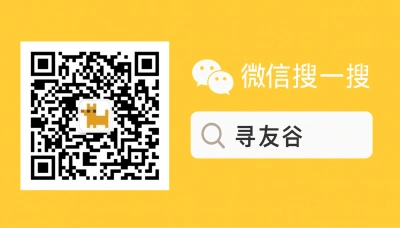
XunYouGu’s WeChat community is a no-nonsense, friendly space for US students and expats in China. We share verified tips, safety alerts, and group invites for cities and campuses. To join: open WeChat, search for “xunyougu” (follow the official account), or scan the official QR on xunyougu.com. After following, message the account and ask to be added to the relevant city or uni group — tell us you’re from the United States and where you study/work. We vet fast but kindly; if you prefer WhatsApp contact first, email the contact on our site.
📚 Further Reading
🔸 How a US clampdown affected mainland Chinese, Hong Kong student visa numbers
🗞️ Source: SCMP – 📅 2026-04-06
🔗 Read Full Article
🔸 Korean universities’ race for foreign students raises new concerns over integrity
🗞️ Source: The Korea Herald – 📅 2026-04-06
🔗 Read Full Article
🔸 China’s ‘lobster’ AI craze: OpenClaw sparks boom—and concern
🗞️ Source: Firstpost – 📅 2026-04-06
🔗 Read Full Article
📌 Disclaimer
This article is based on public information, compiled and refined with the help of an AI assistant. It does not constitute legal, investment, immigration, or study-abroad advice. Please refer to official channels for final confirmation. If any inappropriate content was generated, it’s entirely the AI’s fault 😅 — please contact me for corrections.