
Why adding a WeChat contact still matters (even if you’ve got WhatsApp)
You landed in China, or you’re packing for a semester at a university in Beijing, Shanghai, or Changsha — and you quickly realize: everyone uses WeChat. For United States students, researchers, and expats, adding contacts on WeChat isn’t just about friending someone for memes; it’s the lifeline for class groups, flat-hunting, metro-carpooling, campus admin, delivery drivers, and even quick legal or medical referrals.
Pain points I keep hearing from US folks: “I can’t find someone’s WeChat ID,” “They won’t accept me because I don’t have a Chinese phone number,” or “I worry about privacy and scams.” These are real. While global visa and student-mobility news (like expensive new visa rules or changing study destinations) shift where students go, the daily reality on the ground is always digital: join the right group, add the right contact, and life becomes easier fast. That’s why this practical guide focuses on how to add a contact in WeChat, with specific tips for Americans living in or coming to China — plus safety checks and pro moves so you don’t get ghosted or scammed.
Before we jump in: a quick heads-up. Recent global mobility stories remind us students are moving more carefully now — costs and rules change, and so do destination choices. If you’re weighing where to study, remember those macro shifts; for example, visa costs are rising in some places and demand is shifting across countries, which affects student networks and alumni communities you may want to tap into when connecting on WeChat [Source, 2026-04-10]. Ireland’s jump in student interest shows how networks reroute geographically — meaning you might find cross-country student groups and recruiters using WeChat, too [Source, 2026-04-10]. And travel document checks are tightening internationally, which makes having clear digital contacts (like embassy hotlines or school admins on WeChat) smarter than ever [Source, 2026-04-10].
Practical ways to add a contact in WeChat — step-by-step and streetwise
WeChat has several ways to add a contact; I’ll walk you through each, and explain when one is better than another for US students or expats.
- Search by WeChat ID or phone number — the straightforward route
- Open WeChat → Contacts → New Friends → Search. Type the person’s WeChat ID or their phone number (include country code if it’s foreign).
- Use this when you already have the person’s ID or an international number. Note: some people set privacy settings so they can’t be found by phone — then try other options.
- QR code scan — the universal currency in China
- Ask the person to open Me → QR Code → My QR Code. They show it; you tap Discover → Scan and scan their code.
- Great for classroom introductions, housing viewings, cafes, and markets. People trust QR exchange — it’s in-person and fast. If you’re at an international office or event, organizers will often have a teammate scanning codes to add everyone.
- Phone Contacts sync — quick for your local SIM
- WeChat can access your phone contacts and auto-suggest friends who have WeChat. Go to Me → Settings → General → Manage Contacts → Turn on Sync.
- Useful when you’ve just switched to a Chinese SIM (many expats do when they arrive). But be careful: this sync can add numbers you didn’t mean to invite. Review suggestions before adding.
- Group member look-up — the stealth move to add someone you only met in class
- If you’re in a WeChat group with the person, tap the group → Members → find the person → View Contact → Add.
- This is common for international students who get added to course or dorm groups. If they have privacy set to require verification, the group context often speeds acceptance.
- Shake, People Nearby, and Contacts via Moment or QR share
- Shake and People Nearby only work if both of you enable them and are geographically close. Useful for campus events or meetups.
- If someone posts their QR in Moments (or a campus bulletin), you can scan it directly from the photo.
- Invites from official accounts and mini-programs
- Schools, student unions, or services often use official WeChat accounts to connect you to staff or chatbots. Follow the account, and use its contact or service menu to get direct contact or group invites.
- Useful for administrative matters — visa help, housing services, health center hotlines.
Practical tips and rules of thumb
- Use full names and a short note when requesting: “Hi — I’m Alex, met at International Student Orientation, USC, April 2026.” That increases acceptance rates.
- If someone asks you to add them with a Chinese phone number and you can’t text them, ask for their WeChat QR — works every time.
- When in doubt, use QR code in person. It’s faster and clearer than typing an ID or number.
- Watch out for fake accounts: new contacts who ask for money, gift codes, or personal ID right away? Block and report.
Safety, verification and privacy — keep your WeChat tidy
You’re smart to worry about privacy. Scams and data hygiene are real, especially when you’re new to a place and eager to connect. Here’s a short checklist:
- Verify via a second channel: if someone claims to be a landlord, ask them to share the property listing link or their address in both English and Chinese. Compare with classifieds.
- Use the “Note” field: after adding, write a quick note like “Met at Tsinghua library, 2026-03-10” so you’ll remember later.
- Lock Moments and Albums: Me → Settings → Privacy to control who sees what.
- Don’t accept red packet or money-transfer requests from newly added contacts, especially if the story is urgent or emotional.
- For official matters (visa queries, embassy help), follow your university’s official WeChat account or embassy page rather than a random contact.
Cultural tip: Chinese students and services expect fast replies on WeChat. If you don’t want to be on-call 24/7, set a polite auto-reply or state your availability in your WeChat Moments or status.
🙋 Frequently Asked Questions (FAQ)
Q1: How do I add someone on WeChat if I only have their email or LinkedIn?
A1: Email and LinkedIn aren’t searchable on WeChat. Try these steps:
- Ask the person for their WeChat ID or QR code (fastest).
- If they’re on LinkedIn, send a message asking for their WeChat QR and why you want to connect (classmate, housing, internship).
- If it’s an institutional contact, check your school’s official WeChat account or international student office — they often post staff WeChat IDs or contact QR codes.
Q2: I don’t have a Chinese phone number. Will people still add me?
A2: Yes. Options:
- Use your US number in WeChat registration; people can still find you by WeChat ID or QR.
- Sync phone contacts if you later get a Chinese SIM: Me → Settings → General → Manage Contacts → Sync Phone Contacts.
- Ask contacts to scan your QR code directly; QR never cares which country your SIM is from.
- If a contact sets verification to “Only allow contacts with phone number,” ask them to change temporarily or request they add you by QR.
Q3: Someone in a group won’t accept my add request. What now?
A3: Try this roadmap:
- Leave a message in the group (if appropriate): “Hi, I’m Alex from UCLA studying here—can I add you for project updates?” Public context helps.
- Ask a mutual friend to introduce: Mutual → View Profile → Recommend to Friend.
- If the person values privacy, respect that; not everyone adds every group member.
- For critical communication (housing deposit, admin forms), ask group admins to provide the official contact or a confirmation screenshot.
Q4: How do I remove a contact or report a scam?
A4: Steps:
- Open contact → tap the three dots → Delete.
- To report: Open chat → tap the three dots → Report → select reason (fraud, spam, etc.). Provide screenshots and any transaction details.
- Block them after reporting. If you lost money, report to local police and your bank, and keep records.
Q5: How can I find university groups or alumni on WeChat?
A5: Try this sequence:
- Search your university’s English name in Search → Official Accounts, then follow the account.
- Ask the international student office for group QR codes or WeChat assistant IDs.
- Search campus-related hashtags or Moments; many alumni chapters post QR codes publicly.
- Use university WeChat mini-programs or official pages for verified channels.
🧩 Conclusion
For United States students and expats, knowing how to add a contact in WeChat is more than a technical trick — it’s a survival skill. Whether you’re joining a class chat, finding a roommate, or getting visa paperwork sorted through your university admin, a few clean moves (QR first, note your context, verify via other channels) will save you headaches.
Three quick action points:
- Carry your WeChat QR all the time (screenshot it and add to your phone wallet).
- Always include context in your friend request (name + where you met).
- Use official accounts for visa or university admin needs; save those contacts immediately.
📣 How to Join the Group
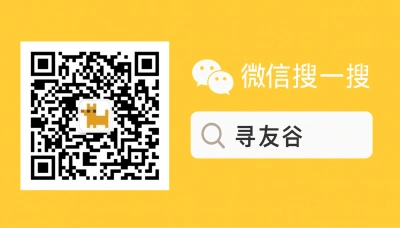
Want to skip the awkward “who are you?” messages and get straight in with friendly students and expats who’ve already figured out the ropes? On WeChat, search “xunyougu” and follow the official account. Message the assistant (look for the verified icon or the account bio that mentions Global WeChat Groups Directory) and ask to join the US-students-in-China group. Tell them your school and arrival date — we’ll match you to local groups for housing, classes, and socials.
If you prefer: show the assistant your student ID and we’ll invite you into the right campus group. No sales, no gimmicks — just practical help and a bunch of friendly faces.
📚 Further Reading
🔸 UK raises visa fees across all categories from April 8, making travel, study and work significantly more expensive for global applicants
🗞️ Source: india.com – 📅 2026-04-10
🔗 Read Full Article
🔸 Ireland sees 38% jump in Indian student interest amid global dip: Report
🗞️ Source: Business Standard – 📅 2026-04-10
🔗 Read Full Article
🔸 EU fingerprint and photo travel rules come into force
🗞️ Source: Yahoo – 📅 2026-04-10
🔗 Read Full Article
📌 Disclaimer
This article is based on public information, compiled and refined with the help of an AI assistant. It does not constitute legal, investment, immigration, or study-abroad advice. Please refer to official channels for final confirmation. If any inappropriate content was generated, it’s entirely the AI’s fault 😅 — please contact me for corrections.