
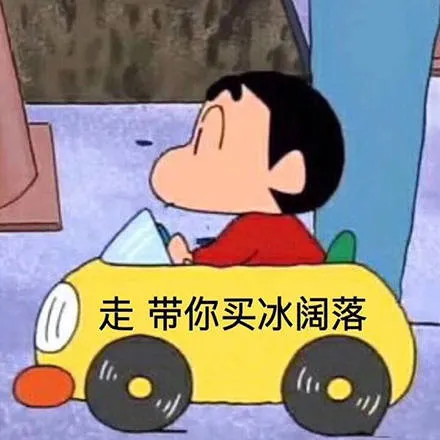
Why a funny sticker for WeChat matters if you’re from the United States coming to China
You land in China and your hands are full — phone, luggage, one phrasebook that you’ll never unzip. You open WeChat, and suddenly the app is the town square, the bank, and the roommate rolled into one. Problem is: typing fast in Chinese is a pain, small talk can be awkward, and the cultural cues are different. That’s where a well-timed, funny sticker for WeChat becomes less fluff and more social engineering: it’s a tiny, low-risk, high-return move to break ice, show personality, and dodge literal translation fails.
I’ve seen this happen a thousand times — international students in Beijing using a goofy sticker to turn a stilted “Hello” into a laugh, or a U.S. expat in Shanghai defuse a tense group chat with a perfectly timed meme-sticker. This guide is for practical people: students, short-term researchers, interns, and anyone from the United States who uses WeChat to study, live, and hustle in China. We’ll walk through the smart ways to use funny stickers, what to avoid, and how to design or pick one that actually opens doors rather than slamming them.
Key reader pain points:
- Language friction: typing in Chinese is slow; stickers save time.
- Cultural tone: what’s funny in the U.S. can be … borderline in China.
- Social risk: one wrong sticker, and your invite to the group dinner dries up.
- Visibility: stickers can help you be memorable when your Chinese is still “in progress.”
How funny stickers for WeChat actually work — psychology, culture, and practical use
Stickers are shorthand. They compress facial expression, tone, and context into a single visual punch. For a non-native speaker, that’s gold. Instead of trying to craft a joke in Mandarin, you can send a sticker that says “I’m messing up but I’m chill” or “You’re hilarious” without mangling grammar. Psychologists call this “nonverbal compensation”: when words are risky, we rely on visual or vocal cues to carry intent. On WeChat, stickers are that visual cue.
Practical patterns that work:
- Ice-breaker sticker: A small, friendly, mildly self-deprecating sticker when joining a new local group (e.g., “new here but excited!”) invites replies without making a linguistic mess.
- Repair sticker: When you suspect your Chinese was unclear, send a sticker that communicates “oops” or “sorry” plus a short fix message — better than a long, embarrassed text.
- Celebration sticker: For small wins — exam passed, assignment uploaded, rent paid — a playful sticker shows emotion quickly and keeps the chat lively.
Be mindful of tone and subtext. What’s “silly” in one city can be “weird” in another. Mainland urban chat groups often prefer light, upbeat stickers; more formal groups (school admin, official services, some workplaces) expect restrained language. If you’re in a university dorm or student union, stickers with cute animals and friendly text are safe. If you’re messaging a landlord or visa office contact, steer clear of sticker-overload.
Cultural note: timeliness matters. A sticker that lands immediately after a message amplifies tone; a sticker dropped hours later can confuse. Think like a DJ: pick the beat, then drop the sticker.
Choosing or designing a sticker that actually helps
You can use existing sticker packs in WeChat, but making or selecting one with small cultural tweaks makes it more effective. Here’s a breakdown of attributes to prioritize:
- Clear emotion: joy, embarrassment, thanks, or apology — obvious at a glance.
- Minimal text or bilingual short text: if you include words, keep them short (1–4 Chinese characters or Chinese + small English). Example: “加油” (go for it) or “sorry 哈哈”.
- Simple art style: too-dense comics look cluttered at chat sizes. Big eyes, clear mouth shapes, visible gesture — that’s the sweet spot.
- Universally safe themes: animals, food, everyday tasks. Avoid political/historical references or anything that could touch on sensitive topics.
- Local flavor when appropriate: a baozi (steamed bun) doing a tiny dance works in many contexts. A sticker that references a specific local meme can be great — but only if you know the meme’s register.
Practical design steps if you want to make a custom sticker:
- Pick the target emotion and one-sentence caption.
- Sketch big, bold facial/hand gestures — stickers are tiny, so gestures must read at small scale.
- Limit palette to 2–3 colors; solid shapes scale better.
- Test at chat size on your phone to ensure readability.
- Ask two local friends to rate it: “safe? funny? confusing?” Iterate.
If you don’t design, browse community packs and pay attention to creators’ ratings. A common trick: download a few packs, then screenshot candidate stickers and ask a Chinese friend in a private chat which one feels more natural.
Using stickers strategically in specific scenarios
Here’s how to deploy a funny sticker depending on the scene. Short, practical scripts you can copy.
Scenario: New dorm group or class WeChat
- First message: “Hi all — I’m Alex from the U.S., freshman in design. Excited to learn from you.” + friendly waving sticker.
- Follow-up if nobody replies: wait a few hours, then send a sticker that says “no worries / still here” — it signals patience and keeps you visible.
Scenario: Language exchange partner
- After a correction: “Thanks! I’ll try again :)” + embarrassed-but-trying sticker.
- After they teach you a phrase: celebratory sticker + short voice message repeating the phrase.
Scenario: Local market/haggling via WeChat
- Open with price query in Chinese + polite smiling sticker (appears humble, not rude).
- When transaction confirmed: send a quick thank-you sticker to close the deal on a positive note.
Scenario: Work or internship group chat
- Keep stickers conservative: small thumbs-up or brief “got it” sticker after task assignments.
- Reserve funny or meme-heavy stickers for casual threads (team after-work plan, photo sharing).
Scenario: Visa or official communication
- Avoid stickers. Use clear, concise text. If you must humanize a private informal chat with a helpful admin you know, keep it neutral (small smile).
Real-world context: students, visas, and the social ripple
WeChat isn’t just social — it’s tied to life logistics. International student communities are adjusting to shifting visa and migration landscapes; communications carry more weight now. Changes in visa policies and the pressure on foreign students to prove authenticity mean that good social signals can help you navigate networks faster.
For example, news about student visa administrative changes in countries like Australia shows higher scrutiny levels for international students and increased administrative checks [Indian Express, 2026-04-03]. What that means for a U.S. student in China: peer networks become invaluable — you trade tips about documentation, housing, and admin contacts over WeChat groups. In tight situations (job changes, visa uncertainty), fast, clear social signals matter: a friendly sticker can start a conversation that leads to a key contact or official phone number.
Likewise, when tech layoffs hit globally, workers and visa holders scramble to share steps and resources over messaging apps; speedy, human communication is a lifeline [BusinessToday, 2026-04-03]. In those moments, stickers that convey support (“I’ve got your back”) or readiness to help (“can DM contacts”) reduce friction, because they make an emotional connection before you get into the weeds.
And yes, Tencent and Chinese tech platforms keep innovating — sometimes in delightful, niche ways. New product features, like streaming channels or micro-verticals, signal how WeChat culture evolves fast; matching your sticker style to those trends keeps you from feeling like an outsider [TTown Media, 2026-04-03]. If a sticker references a shared new hobby (pet livestreams, local snack craze), you tap into that moment instantly.
Practical etiquette checklist for sticker use
- Don’t spam stickers: one or two per short conversation. Overdoing it makes you look unserious.
- Match the group’s vibe: mirror tone before you escalate to humor.
- Avoid political, religious, or regionally fraught imagery.
- Use stickers to soften corrections: a sticker plus a polite revision beats blunt text.
- Learn a few common Chinese sticker captions (e.g., “加油”, “谢谢”, “不好意思”) so your sticker-game feels local.
- When in doubt, ask a bilingual friend: better five seconds of humility than a misstep.
🙋 Frequently Asked Questions (FAQ)
Q1: Which sticker type is safest when I join a new university or dorm WeChat group?
A1: Use a friendly, low-key introduction sticker combined with a one-line text. Steps:
- Send a one-line intro in English and Chinese (simple): “Hi all, I’m Sam from the U.S. 新来的, 请多关照.”
- Attach a neutral, friendly sticker (waving animal or smiling face).
- Wait 12–24 hours; if no reply, follow with a short follow-up message plus another light sticker (e.g., “looking forward to meeting everyone”).
Q2: Can stickers help when I mess up my Mandarin in chat?
A2: Absolutely. Use stickers as a repair tool. Roadmap:
- Immediately send a short correction: “I meant ___” (in Chinese or both languages).
- Add a small “embarrassed but trying” sticker to lighten tone.
- Offer a short voice note repeating the corrected phrase — voice messages are often more forgiving and human.
Q3: Are there legal or safety concerns using user-generated stickers on WeChat?
A3: Stickers themselves are safe, but avoid images that reference sensitive topics. Guidance:
- Do not create or distribute stickers with political symbols, sensitive historical references, or content that could be construed as defamation.
- If designing stickers for commercial use, follow platform rules: use only licensed art and avoid trademarked characters without permission.
- When in doubt, use simple, original designs (pets, food, basic emotions).
🧩 Conclusion
Funny stickers on WeChat are not just digital candy — they’re social currency. For United States visitors, expats, and students in China, a well-chosen sticker shortcuts language gaps, smooths social tension, and helps you build your network faster. Use them thoughtfully: match tone, keep it clean, and use stickers as part of a broader communication strategy that includes short text, voice notes, and timely follow-ups.
Quick action checklist:
- Pick three go-to stickers: greeting, apology/repair, and celebration.
- Test them with a trusted local friend before using in mixed groups.
- Keep stickers conservative in professional contexts; go playful in social or dorm chats.
- Make or pick stickers with clear emotion and minimal text.
📣 How to Join the Group
Want to practice sticker moves with people who get both sides — English speakers who live in China and locals who appreciate the culture? Join XunYouGu’s WeChat community. Steps to join:
- Open WeChat and search for the official account: “xunyougu”.
- Follow the account to see public posts and group invites.
- Message the assistant account and ask to join the “US in China — stickers & social” group. Be clear about your city or university.
We keep the vibe friendly and practical — no spam, just useful local tips and sticker trades.
📚 Further Reading
🔸 Australia revises student visa evidence level for India from EL2 to EL3
🗞️ Source: Indian Express – 📅 2026-04-03
🔗 Read Full Article
🔸 Oracle layoffs: What laid-off Indian H-1B visa holders need to do immediately to stay legally in US
🗞️ Source: BusinessToday – 📅 2026-04-03
🔗 Read Full Article
🔸 Streaming channel for pets launched in China
🗞️ Source: TTown Media – 📅 2026-04-03
🔗 Read Full Article
📌 Disclaimer
This article is based on public information, compiled and refined with the help of an AI assistant. It does not constitute legal, investment, immigration, or study-abroad advice. Please refer to official channels for final confirmation. If any inappropriate content was generated, it’s entirely the AI’s fault 😅 — please contact me for corrections.