Why WeChat stickers matter more than you think
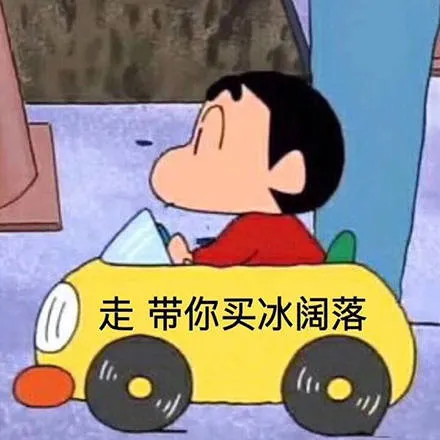
You landed in China (or you’re packing your bags), you open WeChat, and—bam—your chats are a colorful mess of stickers, emojis, and animated GIFs. For many Americans and international students, stickers feel like a small, silly part of social life. But in China, the sticker ecosystem is a legit cultural layer: they convey tone, relationship level, and sometimes even transactional cues (yes, really).
Stickers aren’t just cute animations. They’re short-hand social currency. A well-chosen sticker can smooth a group chat with classmates, make a landlord less cranky, or turn a cold business message into something warmer. Conversely, a wrong sticker — overly casual, sarcastic, or referencing the wrong subculture — can create confusion or an awkward moment. That’s the pain point: you can speak Chinese badly and still get by, but misused stickers will give you away faster than your accent.
This guide is written for United States people and students living in or about to come to China. We’ll break down sticker types, etiquette, how stickers are used in commerce and services, and safety tips so you don’t fall for scams that use cute graphics to lure you. I’ll also point you to practical steps and invite you to join XunYouGu’s WeChat groups where people trade sticker packs, keyboard shortcuts, and real-life signals that textbooks don’t teach.
(Quick local flavor: imagine being in a Hunan dorm chat when everyone sends the same sticker set after exams — it’s like a secret handshake.)
Which stickers mean what — the practical map
Stickers on WeChat come in flavors and functions. Treat this like a cheat-sheet you can paste into your notes.
- Reaction stickers — short, expressive: joy, facepalm, clap. Use these in friend and dorm groups. Friendly, non-threatening.
- Cute character packs (e.g., pandas, anime, local mascots) — casual, can be flirtatious if overused. Fine among friends, tricky with professors or officials.
- Branded/commercial stickers — used in stores, promotions, and mini-program interactions. These show up when businesses run campaigns or loyalty programs. See how Aigens brought ordering into WeChat for a dessert chain — stickers and visuals are part of the UX now [The Manila Times/PR Newswire, 2026-03-16].
- Sticker packs with text — carry specific local phrases, slang, or cultural references. Good for improving tone but be sure to understand the phrase before using.
- Animated money/red-envelope stickers — used in festivals and promotional events; sometimes tied to real red packet campaigns from brands or chatbots.
Why this matters: Businesses increasingly embed ordering, promotions, and mini-program flows inside WeChat. Visuals and stickers speed recognition and lower the friction for transactions. If you use WeChat to order food, book a pickup, or communicate with local services, you’ll encounter stickers used as shorthand in the UI and in chat-based customer service.
Tone, status, and sticker etiquette — do this, not that
Think of stickers as another dialect. Here’s a practical etiquette list:
Do:
- Mirror the group: if everyone uses simple reaction stickers, keep it simple.
- Use animated stickers sparingly in formal chats. A small animated thumbs-up in a study group is fine; in a professor’s group, stick to text or a polite emoji.
- Learn 3-5 local sticker packs that your campus or city commonly uses. That’ll make you feel less like the outsider.
- Save “apology” and “thanks” stickers in a favorites folder — very handy for quick fixes.
- When in doubt, ask: “Is it okay to send this?” in private.
Don’t:
- Use sexualized or strongly sarcastic sticker packs with teachers, landlords, or official services.
- Assume one sticker means the same across regions — some packs carry local in-jokes.
- Click stickers that come with unknown mini-program links. Brands sometimes wrap promos in stickers; verify the source.
Safety and fraud: stickers can be a trick
Stickers can be used in scams. Tech and payments have fused with chat UX, and that opens avenues for clever fraud. The fraud landscape is evolving — “fake normal” behavior patterns are now used in payment and identity fraud, meaning scammers mimic everyday chat behavior to lower suspicion [PYMNTS, 2026-03-16]. Practically:
- Scammers will use a friendly sticker pack to build rapport, then slip in a payment request or a fake promo link.
- Commercial sticker campaigns can look legitimate but lead to phishing mini-programs asking for cards or verification.
- Watch for social-engineering flows that use festival motifs (red envelopes, lucky stickers). These are common around holidays but can be weaponized anytime.
Actionable safety steps:
- Verify the sender: check their profile, mutual contacts, and whether they initiated contact through a trusted channel.
- Don’t enter bank or passport details in any mini-program unless you opened it from an official brand account or verified service.
- Use WeChat Pay safety settings: enable real-name verification alerts, device binding, and payment confirmations.
- Report suspicious sticker packs or mini-programs to WeChat and block the sender.
How stickers tie into student life, work, and visas
Stickers are part of daily campus communication — from class groups to student unions to rental chats. For students, stickers help with tone and reduce language friction. In some practical ways:
- Group projects: a quick sticker clarifying “I’m on it” beats a long sentence when you’re juggling labs.
- Rent and repairs: landlords often use short, clear stickers to confirm receipt of messages; a sticker can mean “I saw it” without committing to scheduling.
- University services: student unions and campus merchants may run sticker-based campaigns or digital coupons inside WeChat that are cheaper than cash offers.
- Official and legalese: avoid stickers in visa or embassy threads — use clear, typed communication when dealing with consular or immigration matters. For general visa info and pathways, always rely on official channels for the final word; stickers have no legal standing.
Study-abroad case context: many students look beyond traditional destinations and consider affordability, career alignment, and quality when choosing where to study [Free Press Journal, 2026-03-16]. While that article discusses trends for Indian students, the same logic applies: communication tools like WeChat — including stickers — reduce friction for daily life in China and are a practical part of the non-academic support system when you’re abroad.
Sticker packs: how to find, install, and manage them (step-by-step)
Steps to get and control stickers without looking clueless:
Browse the Sticker Gallery:
- Open WeChat → Me → Settings → Stickers (or press the “+” in chat → Sticker).
- Tap “Get More Stickers” to open the store gallery.
Install a pack:
- Preview animation by tapping a pack.
- Tap download or “Free” / “Buy” (some are paid). Paid packs normally use WeChat Pay.
Organize favorites:
- Long-press a sticker in chat → Add to Favorites.
- Use the “My Stickers” tab to reorder or delete.
Share sticker packs:
- In the sticker gallery, use the share icon to send the pack link in chat (inspect the uploader first).
Manage mini-program connections:
- If a sticker triggers a mini-program, tap the app name on the top bar to view developer info and permissions before interacting.
Troubleshooting tips:
- If a sticker doesn’t play for you, update WeChat and restart.
- If a sticker pack suddenly vanishes, check if it was a limited-time campaign (brands often rotate packs).
- For sticker packs in Chinese, use a translator or ask a local friend what the text says before using.
Design & branding: why companies use stickers
Brands use stickers to land in chats, not just on feeds. Companies embed stickers in promotional flows to increase click-throughs and make campaigns feel less like marketing and more like conversation. Case in point: restaurants and retailers using WeChat mobile ordering and visuals to drive conversion — Aigens rolled out a mobile ordering solution on WeChat to improve customer experience for a dessert chain, proving how integrated visuals and chat flows drive business in the region [The Manila Times/PR Newswire, 2026-03-16].
For students working on campus marketing gigs or internships, understanding how stickers convert attention into action is a solid skill. Brands run time-limited sticker campaigns tied to coupons or red packets; those have measurable impact on foot traffic and orders.
🙋 Frequently Asked Questions (FAQ)
Q1: Can stickers be used in official university or embassy chats?
A1: Short answer: avoid them. Detailed steps:
- Use plain text for anything requiring documentation or official clarity.
- If you must use a sticker for tone (e.g., to show thanks), send it after a formal typed confirmation.
- Roadmap: 1) Type your request or confirmation. 2) Attach supporting files. 3) Add a small sticker only after the formal message is understood.
Q2: How can I tell if a sticker-linked mini-program is safe?
A2: Follow this checklist:
- Verify the account that shared the pack (official blue/verified accounts, established brand pages).
- Tap the mini-program header and inspect developer info and permission requests.
- If it asks for banking information or login via non-WeChat methods, stop and verify via the brand’s official site or customer service.
- Official pathway: use in-app reporting (long press message → Report) and block the sender if suspicious.
Q3: Are there sticker packs worth buying for language learning or cultural cues?
A3: Yes. Steps to use them as learning tools:
- Choose packs with short phrases and clear contexts (greeting, apology, thanks).
- Save stickers into a study folder and pair them with flashcards (e.g., Anki).
- Practice by mirroring stickers used in your friend groups. Cultural roadmap:
- Week 1: Learn 5 greeting/thanks stickers.
- Week 2: Add 3 apology/softeners.
- Week 4: Use them in real chat to test tone and revise usage.
🧩 Conclusion
For US students and residents in China, WeChat stickers are more than fun—they’re functional. They help you navigate social tone, speed up daily interactions, and even interact with businesses. But they come with traps: context matters, and fraudsters exploit trust by using familiar visuals and flows. Treat stickers like a social skill: observe, mirror, and then use.
Quick checklist:
- Learn 3 local sticker packs used by your campus or neighborhood.
- Save apology/thanks stickers in favorites.
- Verify sticker sources and mini-programs before handing over payments.
- Join local WeChat circles (like XunYouGu) to swap packs and cultural notes.
📣 How to Join the Group
XunYouGu’s WeChat groups are where students swap sticker packs, landlord tips, and campus shortcuts. To join:
- On WeChat, search for “xunyougu” and follow the official account.
- Message the official account saying you’re a US student or resident in China and which city or university you’re at.
- Add the assistant’s WeChat (follow instructions in the official account) to request an invite to the relevant city/university group. We screen lightly to keep groups helpful and friendly — no spam, just real people sharing practical tips.
📚 Further Reading
🔸 Aigens Empowers Honeymoon Dessert to Elevate Customer Experience via WeChat Mobile Ordering
🗞️ Source: The Manila Times / PR Newswire – 📅 2026-03-16
🔗 Read Full Article
🔸 Fake Normal Is Becoming the New Fraud Threat
🗞️ Source: PYMNTS – 📅 2026-03-16
🔗 Read Full Article
🔸 New Zealand Short-Term Graduate Work Visa: Who Can Apply? All You Need To Know
🗞️ Source: News18 – 📅 2026-03-16
🔗 Read Full Article
📌 Disclaimer
This article is based on public information, compiled and refined with the help of an AI assistant. It does not constitute legal, investment, immigration, or study-abroad advice. Please refer to official channels for final confirmation. If any inappropriate content was generated, it’s entirely the AI’s fault 😅 — please contact me for corrections.